Soft Lighting That Invites You to Rest
How warm‚ diffused lighting at home affects your mood and nervous system and helps you truly unwind in the evening.
How Lighting Affects Your Mood
Light acts directly on the nervous system. While light that is too strong can trigger tension‚ warm‚ low light encourages the body to release hormones that bring calm. Studies show that a small change in light intensity changes how a space feels and also your energy level. Cool light signals alertness and efficiency‚ but in the evening it is the warm tones that let the brain slow down and prepare for rest. A properly lit home turns from a functional place into an emotional space that invites quiet and softness.
Choosing Tones That Soothe the Eyes
The color of light sets the pace of a room. Yellowish or golden tones create a sense of warmth‚ while cool white light tends to add sharpness. In homes where people spend many hours in the evening‚ it is worth combining light sources with a color temperature of 2700-3000 Kelvin - the tones that mimic candlelight or a sunset. Lamps with fabric or frosted glass shades diffuse light gently and prevent glare. Combining the right tone with soft diffusion creates a natural feeling‚ as if the light comes from the walls themselves.
Balancing General and Focused Light
Soft lighting does not mean weak lighting - it means balanced lighting. The challenge is to combine broad light that fills the whole room with spot lighting that highlights certain areas. For example‚ warm light by the sofa‚ a floor lamp next to a reading chair or a hidden LED strip behind a shelf - each one contributes to the overall atmosphere. When lighting is planned in layers‚ it creates depth and texture‚ so every corner of the home gets the attention it deserves without overwhelming the senses.
The Link Between Lighting and Time of Day
The human body runs on a biological rhythm that is shaped by light. In the morning‚ natural light promotes alertness and focus‚ while in the evening the light needs to be dimmed to signal to the brain that it is time to unwind. That is why combining natural light by day with soft light in the evening is part of a healthy lifestyle. Sheer curtains let soft light in during the day‚ and at night warm lighting creates the feeling of a safe nest. In this way the home changes with the cycles of light and adapts to the different moments of the day.
Choosing Light Fixtures That Blend Into the Design
Lighting has long since become an important design element. A light fixture is not just functional - it is part of a room's character. Pendant lamps with bare bulbs‚ recessed ceiling lights or floor lamps with large shades - every such choice changes the language of the home. Favoring natural materials such as wood‚ bamboo or fabric strengthens the sense of warmth. Even a small detail‚ like a carefully chosen bulb‚ creates a harmonious language that connects the eye‚ the heart and the light.
How Lighting Shapes the Sense of Space
The right light changes how big a room feels. A small space can look more open with indirect lighting - light cast onto the wall or ceiling and gently reflected back. Light that is too direct‚ on the other hand‚ can create a sense of discomfort. The right mix of shade and light makes it possible to create depth and interest even in the simplest room. Soft light not only calms‚ it also invites the eye to linger‚ to notice the small details‚ to breathe.
Lighting That Promotes Real Rest
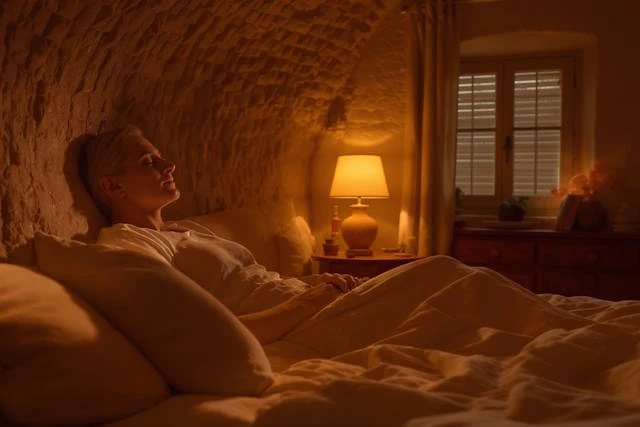
When evening comes‚ lighting becomes a kind of language that prepares the body for sleep. A night light with a low glow‚ an LED strip behind the bed or a small candle in the corner of the room create a softness that lets the body shift down a gear. Soft light does not illuminate - it embraces. Instead of stimulating‚ it brings serenity. This is how the home says: "The day is over‚ you can rest." The right lighting creates an environment in which even silence sounds different.
Connecting Natural and Artificial Light
One way to create a sense of flow at home is to connect daylight and evening light in the right way. During the day it is worth making the most of natural light‚ opening the shutters and letting the sun in. In the evening‚ artificial lighting should continue the atmosphere‚ not replace it. When the light at home feels natural at every hour‚ a sense of harmony emerges. The home behaves like a living creature‚ waking up and growing tired along with those who live in it.
Choosing Dark Areas as Part of the Design
Not every corner needs to be lit. Sometimes it is the shadows that create a sense of depth and calm. Combining a lit area with a dark one emphasizes the contrast and brings a natural balance. A place to rest does not have to be flooded with light - sometimes a shaded corner with a single small bulb can feel more intimate and inviting than any strong lighting. Calm is born from balance‚ not from total brightness.
Lighting as an Emotional Experience
Light affects not only what we see but also what we feel. It can turn an ordinary evening into an intimate moment‚ or a cold room into a warm and welcoming place. In a home where lighting is chosen with feeling in mind and not only function‚ every evening takes on a different shade. Soft lighting leaves room to breathe‚ for slower time‚ for a gaze that softens. It is a light that does not try to impress - it simply stays there in the background‚ like a whisper of serenity.
Summary
Soft lighting is not a design item - it is an emotional tool. It reminds you that a home is not just a place to live but a space that listens to body and soul. When the light is planned well‚ every evening becomes a small ritual of calm: the sun disappears‚ the lights come on gently and the day folds itself up. Within this harmony‚ light does not only illuminate - it comforts.