Patience on the Road as Part of Car Maintenance
How calm driving without sharp acceleration or hard braking protects the engine‚ brakes and tires‚ saves fuel and cuts costs.
Choosing a Natural Driving Pace
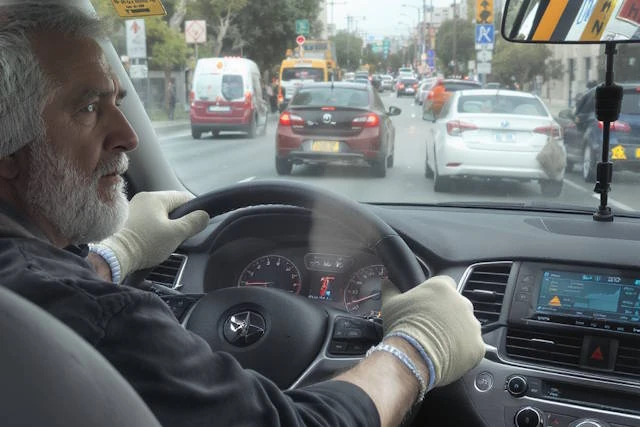
Body and machine work together‚ and just like the human body‚ a car has its own rhythm. Patient driving lets the engine run in a balanced way‚ the temperature stay steady and the transmission work without unnecessary strain. A calm driver who accepts the pace of the road as it is protects not only themselves but also the car. Every gradual slowdown instead of sudden braking extends the life of the brakes‚ and every controlled acceleration reduces engine wear. In this way‚ patience becomes a real maintenance tool - one that costs nothing but saves money for years.
How Calm Driving Affects Fuel Consumption
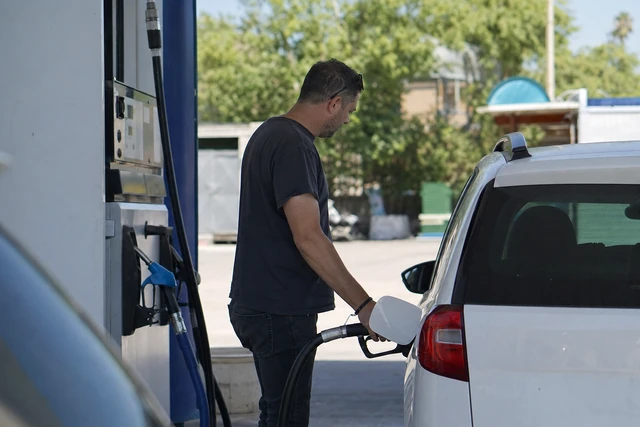
Nervous driving shows up not only as mental stress but also as high fuel consumption. Every sharp change in speed forces the engine to react hard and increases the flow in the fuel injection system. In contrast‚ keeping a steady speed‚ avoiding unnecessary acceleration and making good use of the car's momentum between stops all let you burn less fuel on exactly the same trip. Patience‚ in this case‚ is pure savings: it prevents waste‚ cuts emissions and creates smooth driving that needs fewer stops at the gas station over the week.
The Link Between Patience and Engine Wear
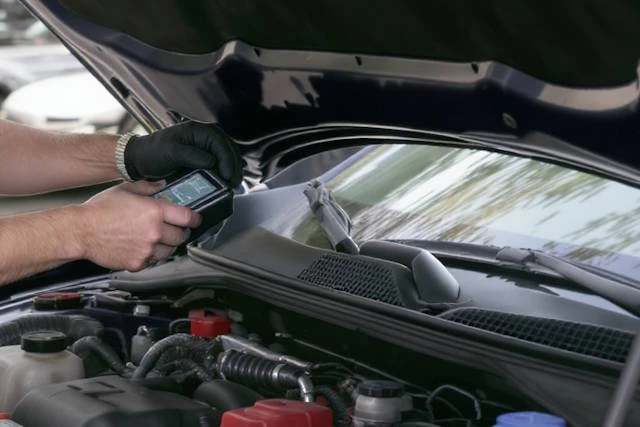
A car engine‚ like any mechanical system‚ responds differently to load. When you drive moderately‚ the engine works in a balanced range‚ breathes properly and keeps a steady temperature. Aggressive driving‚ on the other hand‚ puts strain on the cooling system‚ raises the oil temperature and harms combustion quality. Every unusual burst of acceleration or hard stop shortens the life of the engine without the driver even noticing. Patience lets it run like a well-oiled machine that does not have to cope with sharp swings or needless strain.
Choosing Considerate Driving as a Sign of Responsibility
When driving is done with respect for the shared public space‚ a deeper sense of responsibility develops toward the car and toward other drivers. Patience on the road sets off a chain of calm reactions - less honking‚ fewer dangerous overtakes and fewer accidents. But it also has inner value: a driver who manages to stay calm in stressful situations develops emotional self-control that stays with them off the road too. In this sense‚ driving becomes a lesson in restraint and awareness - not only for the car but for the driver as well.
How Patience Affects Car Parts
Brakes‚ gearbox‚ suspension and clutch are all directly affected by the way you drive. Sharp slowdowns or sudden starts put a momentary load on these systems. Soft‚ controlled driving‚ in contrast‚ lets the parts work evenly without strong jolts or shaking. The tires benefit from patience too: they wear less‚ keep a better grip on the road and reduce the risk of skidding. It turns out that the driver's inner calm has a real effect on how long the car lasts.
The Advantage of Patience in Traffic Jams and Heavy Traffic
In Israel‚ where sitting in traffic has become almost part of the routine‚ patience on the road is an essential skill. Instead of wasting energy on anger‚ patient drivers understand that they have no control over the waiting time - only over how they experience it. Calm breathing‚ quiet music or thinking of the drive as time to rest all make a traffic jam less of a burden. In addition‚ calm driving in stop-and-go traffic protects the clutch‚ saves fuel and prevents the engine from overheating. In this way‚ even an uncontrollable situation becomes a space for inner control.
The Connection Between Patience and Road Safety
A patient driver reacts faster because they see further ahead. When the mind is not flooded with anger or impatience‚ the ability to take in details improves. This is a fundamental difference between emotional driving and mindful driving: the first is based on impulses‚ the second on attention. Patience makes it possible to notice pedestrians‚ changes in traffic and road signs that others miss. In this way‚ it saves not only money and equipment but also lives.
Choosing a Calm Routine as a Long-Term Investment
Patient driving is not born in a day. It is built from small habits - listening to the car before starting it‚ refusing to give in to the pressure of hurrying and understanding that the road itself is part of life‚ not a break from it. These habits carry over into other areas of life as well: a person who drives patiently also tends to work in a balanced way‚ listen to others and solve problems calmly. In this sense‚ the road becomes a kind of mirror that reflects back the way a person chooses to live.
The Financial Advantage of Patience on the Road
Patience is not only a moral value - it also pays off. Calm drivers save on maintenance costs‚ repair fewer faults and replace parts less often. Insurance companies also tend to offer better terms to drivers who report calm driving or use tracking apps that measure it. In this way‚ behavior that seems purely ethical becomes a financial investment. Every minute in which a hard brake or a dangerous overtake is avoided is really a cumulative saving of money‚ fuel and wear.
In Summary
Patience on the road is one of the most important values you can adopt - not only for safety but also for the long-term care of your car and your peace of mind. It makes driving more economical‚ calmer and safer‚ reduces costs and extends the life of the car. Every moment in which you choose not to react right away but to stay calm makes the road itself quieter and more pleasant. It is a simple yet deep lesson: the calm that starts behind the wheel spreads into every other area of life.