Slow Running That Brings a Quiet Mind
Why slow running calms the nervous system‚ releases tension and clears the head without any need for great effort.
The Link Between Heart Rhythm and the Pace of Thought
During a slow run the body works gently - the heart beats at a steady rhythm‚ the breath lengthens and thoughts begin to move at a different pace. There is something in the naturalness of repeated steps that calms the brain. The repeating rhythm and the orderly breathing work almost like a mantra‚ until every unnecessary thought melts away. It is a process in which the body cleanses the mind without words - only through continuous movement that connects the head and the heart.
Choosing Slowness as a Way of Listening
In a world that values speed‚ slow running is almost an act of contemplation. It lets you truly listen - to the feeling in your legs‚ to your heartbeat and to the sounds around you. Slowness is not a sign of weakness but of maturity; it allows the body to speak. In every slow step there is attention to what is here now‚ not to what has to come next. This creates an experience in which every second carries weight and every moment becomes one long breath of quiet.
How Slow Running Affects the Nervous System
Moderate running activates the body but calms the nervous system. Blood flows at a balanced pace‚ adrenaline stays under control and breathing creates a gentle synchronization between body and mind. The effect is especially noticeable at the end of the run‚ when the body feels alive but the head is clear. Instead of fatigue comes a feeling of lightness. It is proof that calm movement can actually recharge your energy.
Running as a Space for Quiet Thoughts
Slow running is a time when thoughts get room to pass by‚ like clouds in the sky. There is no struggle with them and no attempt to silence them - only movement accompanied by attention. Sometimes it is the only moment of the day when the mind clears by itself. Out of the steady rhythm of the steps come insights that cannot be reached while sitting or in complete silence. This is a quiet born from movement‚ not from stopping.
Choosing Slow Running as Part of a Healthy Routine
When slow running becomes a habit‚ it affects other areas of life too. It teaches you not to rush and to let things unfold at a natural pace. It reminds you that life itself is not a race but a journey. Even a few minutes of slow running a day can change how you feel - the body learns to move softly and the thoughts begin to follow it. This creates a calm that lasts even after the run is over.
How a Calm Setting Affects Your Running Pace
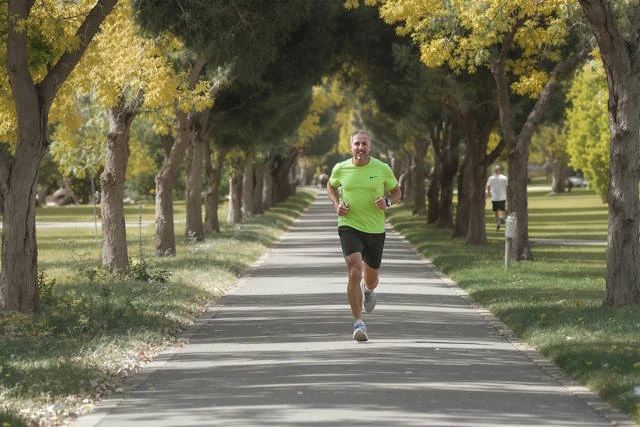
Slow running feels different when you do it in a calm place. A park‚ a sandy path by the sea or a quiet street in the early morning - all of these affect how it feels. When the eyes rest on an open view‚ the body relaxes. The inner noise fades as well. Nature is a reminder of the true rhythm of life and of the fact that there is no need to rush anywhere. Running then becomes an emotional experience no less than a physical one.
Slow Running as a Tool for Releasing Tension
Tension tends to build up in the body as tight muscles and shallow breathing. Slow running releases this tension gradually. Every gentle movement disperses the pressure and every deep breath makes room for calm. No great effort is needed - it is precisely the moderate movement that lets the body let go without overloading it. At the start of the run you can still feel the tension‚ but as the steps settle‚ the body opens up and the head clears.
The Link Between Slow Running and Mindful Breathing
Mindful breathing is the heart of slow running. Its pace is not set by the clock but by the inner sensation. As the breath lengthens‚ a sense of quiet appears. Every inhale charges the body with energy and every exhale releases excess thoughts. This creates a natural cycle in which body and mind work in harmony. Over time the brain learns to recognize this rhythm outside of running as well - in daily life‚ at work and even in stressful moments.
Connecting with Your Body Through Slow Running
Slow running teaches the body to communicate with itself. It does not demand achievements‚ only attention. The slow pace reveals patterns - when the body works too hard‚ when it relaxes and how each movement affects the way you feel. It is a simple but profound lesson: the more you listen to your body‚ the easier it is to find balance. This connection creates confidence‚ a sense of wholeness and a clear knowledge that the body knows the way.
Summary
Slow running is much more than physical activity - it is a practice of quiet. It reminds you that you can move without rushing‚ sweat without stress and find peace right in the middle of movement. It teaches that the body can be a tool for healing and that slowness is not weakness but strength. Anyone who feels that their head is too full may discover that between one step and the next lies a true quiet - one that does not depend on place or time‚ only on the inner rhythm of the heart.