A Meal That Works Without Any Advance Planning
Why meals made without a set menu often turn out tastier - improvisation‚ simple ingredients‚ intuition and the joy of cooking together.
The Freedom That Comes from Not Planning
When there is no advance planning‚ the pressure to meet expectations disappears too. Everything does not have to look perfect or match the recipe exactly. This is the moment when you start to truly feel the kitchen - looking for solutions‚ putting together unexpected combinations and letting the taste lead. Meals like these are a reminder that the essence of cooking is not control but freedom. When the rules disappear‚ room is made for intuition‚ and it is intuition that brings the tastiest surprises.
Choosing Ingredients from What Is Already There
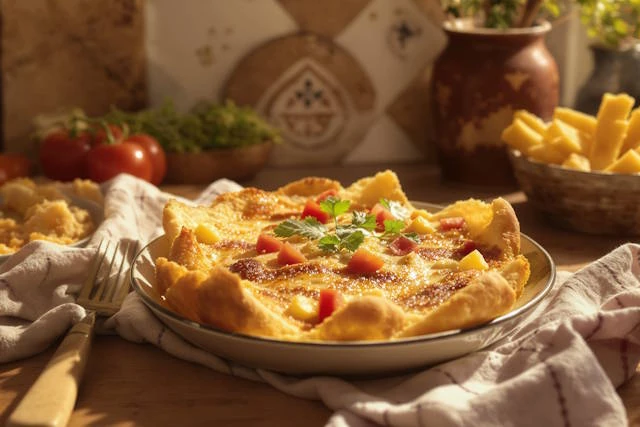
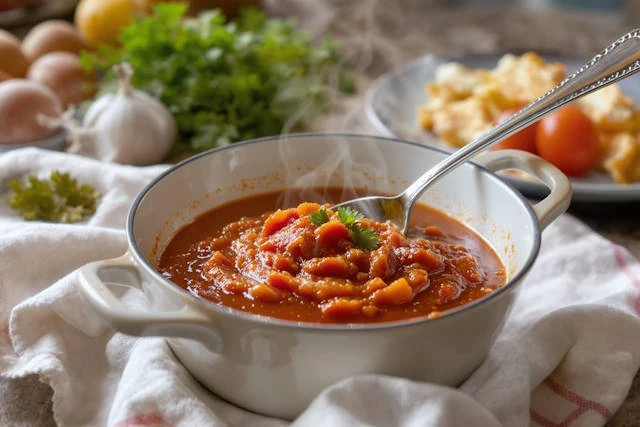
Instead of planning what to cook and shopping accordingly‚ unplanned meals start the other way around - what you have decides what there will be. Overripe tomatoes‚ a forgotten piece of cheese‚ herbs picked yesterday - they all become a starting point. That moment of checking what is on hand recalls the simple creativity of kitchens in the past: making smart use of what exists‚ without waste and without searching for "the perfect" ingredient. It is precisely when you accept the limitations that countless new possibilities open up.
The Magic of Improvisation
Improvisation is not a lack of planning but an expression of confidence in the kitchen. It comes from the understanding that good flavors can come from a chance encounter‚ and that there is not only one right way to prepare a dish. When you give yourself the freedom to experiment‚ something in your mind is released. Suddenly yesterday's leftovers become a main course‚ a forgotten spice discovers a new role and a sauce spilled by accident changes the whole balance for the better. Every small mistake can turn into a discovery.
The Pleasure of the Process
When there is no plan‚ every stage of the preparation is a surprise. Instead of chasing a result‚ you focus on the moment - on the aroma rising from the pan‚ on the colors mixing in the bowl‚ on the feeling of your hands touching the texture. Cooking becomes a simple meditation‚ an experience that brings a person back to themselves. The meal that comes out at the end is almost always tastier‚ not because it is perfect‚ but because it was born from ease.
The Ability to Sense a Natural Balance
An improvised meal succeeds thanks to instinct. When there is no exact recipe‚ you rely on your sense of smell‚ taste and memory. The hand adds a pinch of spice‚ the heart knows when it is enough and the eye sees that the color is already right. It is a process based on attention‚ not on a formula. Even if some attempts are not perfect‚ over time an intuition develops that guides you just like a cookbook - only more personally.
How Your Mood Affects Your Cooking
The most successful meals are born not only from the ingredients but from the energy you bring into the kitchen. When you start cooking without pressure and with openness‚ everything goes differently. The hands work at a calm pace‚ the thoughts clear and the food takes on a different taste. The meal becomes a reflection of your state of mind - when the cook is calm‚ the flavors are soft and balanced too.
The Link Between Simplicity and Depth
There is a tendency to think that impressive meals require long preparations and endless shopping lists. In practice‚ it is simplicity that can bring depth. Pasta with a little olive oil and garlic‚ vegetables roasted in the oven with almost no seasoning - these are dishes that require little but give a sense of completeness. When you stop looking for complexity and connect to the basic taste of the ingredients‚ a depth emerges that does not depend on time or on a recipe.
Choosing to Share the Moment
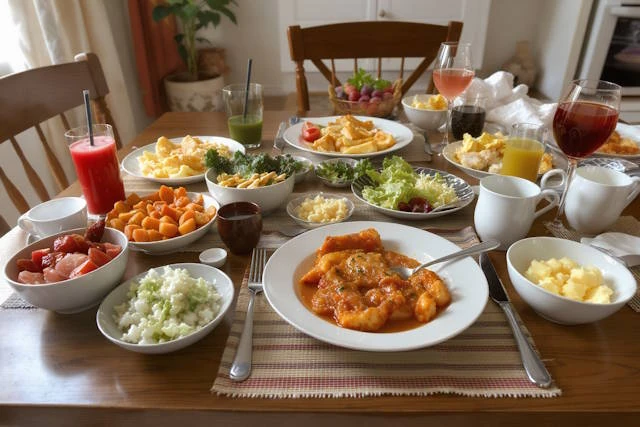
When a meal is born without planning‚ it invites those around it to take part too. One person chops‚ another stirs‚ someone else adds an idea. The preparation becomes a shared‚ almost festive activity‚ without a single central "chef". Everyone adds a little something of their own‚ and together a taste is created that tells a story of moments rather than instructions. The meal is not just food but also an expression of human connection.
The Surprise in the Result
One of the reasons spontaneous meals stay in memory is their ability to surprise. You do not know in advance how it will turn out‚ and yet when you get to the table you discover something tasty‚ new and unexpected. This surprise brings back the joy of discovery that has been somewhat lost in a world where everything is planned. It is precisely the uncertainty that allows food to be exciting again.
The Meaning of Small Moments
When there is no advance planning‚ room opens up for unplanned moments - the laughter in the middle of cooking‚ a taste straight from the pan‚ the conversation that flows while the food simmers. These are the moments that build the memory of the meal‚ much more than the taste itself. Spontaneous meals are a reminder that food is first and foremost an emotional experience‚ not only a culinary one.
Summary
A meal that succeeds without advance planning is proof that perfection is not measured by precise preparation but by real presence. It is based on attention‚ improvisation and the courage to let go of control. It teaches that anyone can create culinary magic from the simplest things - without instructions‚ only with a genuine wish to enjoy the process. In the end‚ the unplanned meals are the ones that stay etched in memory‚ not because they were the most perfect‚ but because they were the most human.