Smart Refueling That Lowers Fuel Consumption
Simple habits at the pump and on the road - when you fill up‚ tire pressure‚ extra weight and driving style - noticeably cut fuel use.
Choosing the Right Time to Refuel
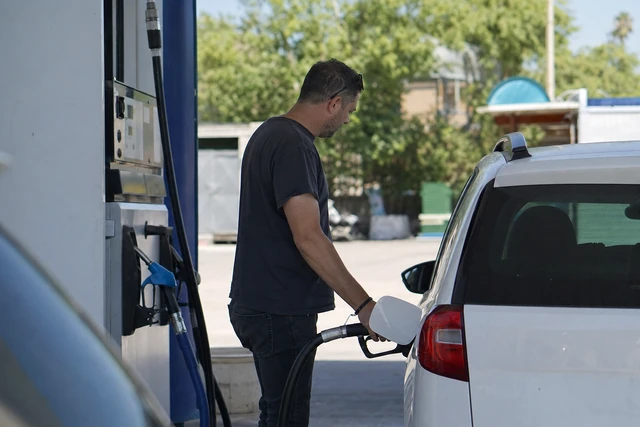
Few people realize that the time you fill up affects how efficient each liter is. Fuel evaporates quickly‚ and on hot days it loses some of its volume even before the nozzle goes into the tank. Refueling in the morning or evening‚ when temperatures are lower‚ reduces evaporation and makes sure you actually get a more accurate amount of fuel. In addition‚ filling slowly prevents air bubbles from forming in the tank and allows a full and effective fill. This simple step may seem minor‚ but over months it adds up to noticeable savings.
The Link Between Tire Pressure and Fuel Consumption
One of the most common reasons for high fuel consumption is incorrect tire pressure. When the pressure is lower than recommended‚ friction with the road increases and the engine has to work harder to keep up speed. A drop of just a few percent in pressure can raise fuel consumption by up to five percent. A weekly tire pressure check - which takes less than a minute at the station - keeps the car efficient‚ extends tire life and lowers overall spending on fuel and maintenance.
Keeping a Steady Speed Along the Way
Nervous driving and repeated acceleration are among the main causes of wasted fuel. Keeping a constant pace‚ especially on long roads‚ lets the engine run in a more balanced and economical way. Cruise control systems‚ found in most cars today‚ help with this a great deal. But even without advanced technology‚ it is enough to let the car move at a natural pace and avoid sharp acceleration or unnecessary braking. This habit not only saves fuel but also extends the life of the brakes and reduces the overall load on the engine.
Choosing a Reliable‚ High-Quality Gas Station
Not every gas station supplies the same mix. Fuel quality varies with the source of supply‚ how well the pumps are maintained and even how clean the underground tanks are. Contaminated or diluted fuel can damage the injection system and cause performance problems. Choosing a well-known station with high turnover and regular inspections ensures that your car gets fuel of the best quality. Beyond quality‚ the way the station handles air pumps‚ keeps its grounds clean and offers inspection services also says a lot about how reliable it is.
The Importance of Regular Engine Maintenance
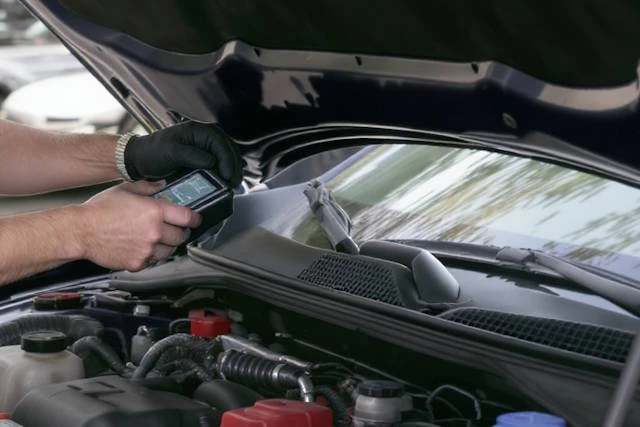
A car with a well-maintained engine uses less fuel simply because it works more efficiently. Replacing the air filter on time‚ checking the oil regularly and keeping the ignition system in good order all directly affect performance. Periodic cleaning of the fuel system also helps keep the flow right and prevents dirt buildup that weighs on the engine. This preventive maintenance is not only about a longer life for the car but also about everyday savings - any fault that is not fixed in time ends up costing you at the pump.
How Extra Weight Affects Fuel Consumption
Every extra kilogram the car carries demands more energy from the engine. Gear forgotten in the trunk‚ an unused roof rack or even heavy items that pile up over time all affect fuel consumption. Removing unnecessary loads gives the car back its natural agility‚ lowers air resistance and improves engine efficiency. It is a simple but meaningful habit‚ especially for drivers who travel a lot or for small cars‚ where any added weight is noticeable.
Differences Between Fuel Types and Their Effect on Savings
Many people choose their fuel by price alone‚ but quality and suitability for the engine also affect performance. Fuel with a lower octane rating than required can cause incomplete combustion and higher consumption. On the other hand‚ using a higher octane rating than needed adds no power - only extra cost. It is best to follow the manufacturer's recommendations and check from time to time whether a small change in fuel type affects efficiency. Sometimes switching to a cleaner blend‚ even a slightly more expensive one‚ pays for itself very quickly through steady savings in consumption.
Handling Long Stops the Smart Way
In traffic jams or when parked for a long time‚ many people leave the engine running without noticing how much fuel is burned for nothing. Every minute of idling uses fuel and pollutes the air with no benefit at all. Turning off the engine in these situations is not only economical but also extends its life. Newer technologies such as Start-Stop do this automatically‚ but even in older cars you can stick to this simple habit. That way‚ even standing still can become a chance to save.
Choosing a Mindful Driving Style
Smart refueling is the result of smart driving. Driving style affects fuel consumption more than anything else. Shifting gears gradually‚ accelerating gently and keeping a steady distance from the car in front all create a natural flow that prevents unnecessary stops. This kind of mindful driving is not only economical but also safer and more pleasant. It prevents stressful situations‚ keeps up with the overall pace of traffic and lets the car run at maximum efficiency.
In Summary
Smart refueling is not just about choosing a station or the right time to fill the tank. It is an overall approach of paying attention - to the tires‚ the engine‚ the weight and even your mood while driving. Every small action affects fuel consumption‚ and sometimes it is the simplest habits that bring the biggest results. When you drive wisely‚ refuel responsibly and keep a balance‚ the savings come by themselves. The result is not only lower costs but also a smoother sense of flow - on the road and in life itself.