Natural Materials That Bring Warmth Even Without Luxury Design
How wood‚ stone‚ concrete‚ natural fabrics‚ metal and daylight make a home feel warm and inviting without expensive interior design.
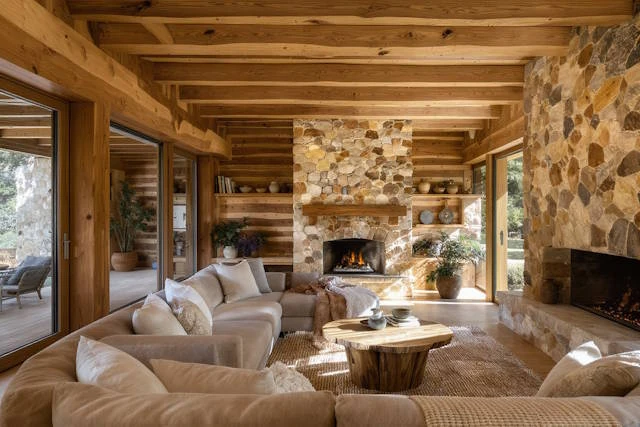
The Human Warmth in the Touch of Wood
Wood is perhaps the material most associated with a feeling of warmth. It changes the character of any space - whether it is a floor‚ a table or even a picture frame. Its shade‚ texture and scent create a sense of stability and naturalness. People are drawn to wood because it is "alive" - even when processed‚ you can sense the growth‚ the grain and the memory of time in it. The warmth of wood comes not only from its color but from the history it carries and its ability to age gracefully and gain character over the years.
The Breath Between Stone and Concrete
Stone and concrete sometimes give off a cold feeling‚ but when they are chosen and designed well‚ they actually add depth and a warm solidity. Stone‚ in its many shades - whether limestone‚ marble or basalt - adds a dimension of naturalness and stability. Concrete‚ seemingly an industrial material‚ takes on a surprisingly soft look in certain spaces. When it is smoothed and lit correctly‚ it creates a sense of inner calm and highlights the beauty of raw material. Combining these two materials conveys a balance between strength and delicacy‚ between durability and pleasant warmth.
The Comfort of Natural Fabrics
Natural fabrics such as linen‚ cotton and wool add softness to any space. They breathe‚ age well and give a sense of real life. Cushions‚ curtains or bedding made of natural fabrics convey warmth not only through touch but also through their look. Small creases‚ gentle shades and the soft movement of fabric in the breeze all contribute to a true sense of home. Unlike synthetic fabric that tries to look perfect‚ natural material offers a quiet beauty that does not try too hard.
The Balance Between Raw Metal and a Warm Setting
Metal can also feel warm when it is integrated correctly. Black iron‚ brass or copper add a touch of depth and soft industrial style to a space. When they appear alongside wood or natural fabric‚ an interesting dialogue emerges between cool and warm‚ between strength and softness. The subtle sheen of natural metal‚ especially once it has aged a little‚ gives a sense of authenticity. This is not a perfect‚ polished look but one that tells a story of use‚ of time and of ongoing movement.
Choosing Colors That Reinforce a Natural Feel
Colors directly affect how materials are perceived. Natural shades - sandy tones‚ soft greens‚ gentle grays or deep browns - complement the feeling of warmth and calm. These colors do not demand special attention; they let the eye rest. When they combine with natural material‚ a harmony forms that needs no dramatic design. The resulting feeling is one of balance - a place where you can breathe.
Natural Light as a Design Partner
Light is the invisible material that brings other materials to life. Natural sunlight entering a space changes how materials look throughout the day. Wood takes on new depth at dusk‚ fabric looks softer in the morning‚ and stone gains a different texture as the shadows shift. The connection between natural materials and natural light creates a warmth that does not depend on artificial lighting or luxury design‚ but on the simplicity of what is already there.
The Space Created by Mixing Old and New
One of the secrets of warmth is combining old and new materials. A rough wooden table next to a clean wall‚ a modern sofa with cushions of soft wool - this combination creates a sense of layers‚ depth and life. The beauty comes from the contrast - from the meeting between modern technology and a natural material with soul. The result is a space that feels alive and not overly planned‚ one that tells the story of the people who live there and not of the catalog.
The Effect of Scent and Touch
Natural material speaks to all the senses. The scent of wood‚ the touch of stone and the softness of fabric all create a sense of warmth that connects people to a place. The smell of wood oil‚ of earth after rain‚ of freshly ground coffee - all of these make a home a place where you want to stay. People feel more natural in the presence of living materials because they remind them of the world beyond the walls. This is a warmth that depends not on design but on the feeling that the place breathes along with them.
Materiality as Part of a Way of Life
Choosing natural materials also reflects an approach to life - a desire to get closer to simplicity‚ to keep a balance and to avoid unnecessary consumption. Natural materials call for a slower gaze because they change and are touched by time. Wood cracks‚ fabric wears and stone changes shade - and every change adds depth. This is a beauty that evolves rather than one that loses value. Living with materials like these restores a sense of closeness to nature and its cycles‚ and gives new meaning to the idea of "homey warmth".
How Minimalism Affects the Feeling of Warmth
It is precisely when you cut back and clear away visual excess that materials can truly be present. The right kind of minimalism is not cold - it allows every detail to come through. When a space is not crowded with unnecessary items‚ the wood‚ stone and fabric get the stage they deserve. The warmth comes not from quantity but from quality and the calm they create. This is design based on breathing room‚ not on making an impression.
Summary
Natural materials are not just a design choice - they are a choice of approach. They remind us that real warmth does not require material wealth‚ only a connection to a material that tells a true story. When a home is built from materials that come from nature‚ it becomes a place that lives with time and not against it. Wood‚ stone‚ fabric or raw metal all bring a quiet warmth that does not depend on brands or trends. It is the warmth of life‚ of presence and of simplicity - a warmth that does not depend on luxury but comes from genuine human touch.