Parents Who Are Learning to Listen Again
How parents can truly listen to their children: without rushing to fix‚ without judgment‚ with open body language and self-awareness.

The Difference Between Hearing and Listening
Hearing is easy - the sounds enter the ear‚ the words are registered. But real listening goes far beyond that. It includes paying attention to what lies behind the sentences‚ to the tone of voice‚ to the small silences between the words. A parent who really listens also notices what isn't said - the sadness hiding behind "everything's fine"‚ the tiredness disguised as silence‚ and the joy that is too small to be seen. Listening like this requires presence - not only physical presence but emotional presence too.
Choosing Small Moments for Real Conversation
Life is full of small moments that can be turned into big conversations. The drive to school‚ a quiet evening before bed‚ a relaxed dinner - each of these moments can become a space of closeness if you choose to really listen. You don't need a "family meeting" to create deep communication. Sometimes a simple question like "How did you feel today?"‚ asked out of genuine interest‚ is enough to open the heart.
The Ability to Stay Silent Without Rushing to Fix
One of the most common mistakes parents make is the immediate urge to fix things. When a child shares a feeling of difficulty or disappointment‚ the instinct is to offer a solution. But sometimes the child isn't looking for a solution - they are looking to be heard. An empathetic silence‚ a look that shows understanding or a hug - all of these are worth more than a thousand pieces of advice. Real listening is measured by the ability not to respond right away‚ but to be with the other person inside what they are feeling.
The Meaning of Listening Without Judgment
Listening disappears the moment judgment comes in. When someone feels they are being evaluated or criticized while they speak‚ they close up. A parent who listens without criticism creates a safe space where the child can express themselves even when it comes to difficult feelings. That doesn't mean agreeing with everything that is said - it means being willing to hear before responding. In a space like this‚ children feel that their inner world is respected‚ even when it differs from that of the adults.
Listening as an Emotional Gift
When someone really listens to us‚ they give us a sense of worth. Listening is essentially a way of saying "you matter". It requires no material investment‚ only full attention. The moment a parent looks at their child‚ puts the phone aside and asks out of real curiosity‚ something magical happens. The child feels seen‚ heard and understood. That sense of security is the foundation of every healthy relationship later in life.
Choosing to Listen Even to What Is Hard to Hear
Not everything that is said is pleasant to hear. Sometimes listening means facing pain‚ criticism or rebellion. It is precisely in these moments that parenting is tested. Brave listening doesn't panic or become defensive; it allows the child to express even difficult emotions. When a parent can listen to things that aren't easy‚ they teach the child that love does not depend on behavior. This is the kind of listening that deepens bonds and heals rifts.
The Contribution of Open Body Language
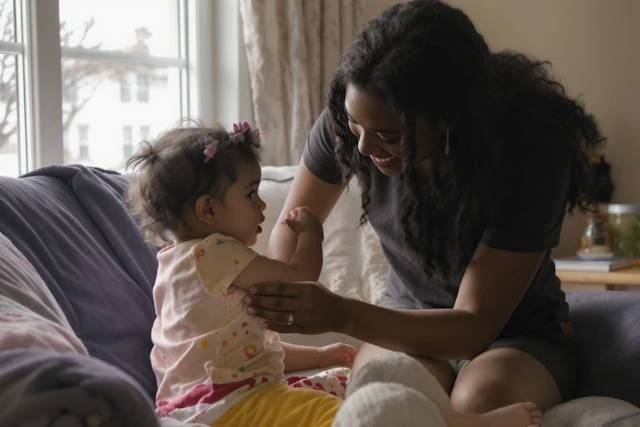
Listening isn't only in words - it is also in body language. A parent who looks at eye level‚ tilts their head slightly and smiles gently conveys immediate acceptance. In contrast‚ crossed arms‚ hurried glances or being busy with a phone convey distance. The body speaks before the mouth does. So when you are in a meaningful conversation‚ full presence - physical presence included - is an inseparable part of listening.
Mutual Listening Between Parents and Children
Real listening is not one-directional. Children learn to listen to others from the way they are listened to. When adults also share their own feelings‚ without preaching and without overloading‚ children discover that listening is a family value. That creates a dialogue in which everyone feels equal‚ even if their roles are different. Parents are not only the teachers but also partners in conversation.
The Difference Listening Makes to the Atmosphere at Home
Homes where real listening is present feel different. The atmosphere is calmer‚ the tension is lower and conflicts are resolved faster. Instead of sharp reactions‚ there is understanding. Instead of a need to prove who is right‚ there is a desire to find a solution. Listening doesn't eliminate arguments - it simply changes the way they unfold. It turns the home into a space of dialogue rather than struggle.
Choosing to Listen to Yourselves as Parents
You cannot truly listen to others without knowing how to listen to yourselves. Parents who recognize their own tiredness‚ their limits and their need for quiet prevent frustration from building up. Listening to yourself is also rest and self-compassion. It is a reminder that adults‚ too‚ are allowed to make mistakes‚ get confused and start over. When children see parents who listen to themselves‚ they learn from a living example what emotional health looks like.
In Summary
Parents who learn to listen again discover that change doesn't require a revolution‚ only attention. Every moment of listening is a moment of love‚ of strengthening trust and of laying the foundations for a deep bond. Listening is not just hearing - it involves an open heart‚ understanding eyes and a willingness to set the noise aside in order to hear the soul that is speaking. When a family learns to listen‚ it rediscovers its strength - not through big words but through the silence between them‚ where the real connection happens.