The Freedom to Choose What to Learn Changes Everything
Why learning by your own choice and out of curiosity leads to deeper understanding‚ lasting motivation and inner resilience.
The Shift from Forced Learning to Learning Out of Curiosity
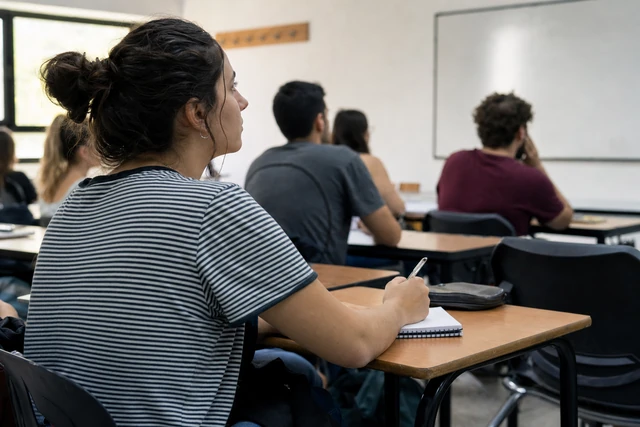
Many people grew up in a system where learning was a task to be completed rather than a free choice. But the moment knowledge becomes something you can choose‚ a fundamental change takes place. Motivation is no longer external - it is internal. When you approach learning out of real curiosity‚ the material is remembered in a different way. Curiosity connects information to life itself‚ and learning becomes an adventure. What was once an obligation becomes an opportunity.
Choosing Fields of Learning That Nourish the Soul
Not every field of knowledge has to be useful or profitable to be important. Sometimes it is precisely the subjects that seem "impractical" that expand the mind. Studying history‚ art‚ philosophy or science for the sake of understanding gives a deep perspective on life. Even if the knowledge does not translate directly into income‚ it enriches your inner dialogue and strengthens a sense of meaning. When you listen to what truly interests you‚ you open the way to learning that nourishes the soul and not only the career.
How Free Choice Affects the Depth of Understanding
When a subject is chosen freely‚ the connection to it becomes personal. The brain responds differently when emotion is involved. Every line is absorbed out of a desire to understand‚ not out of fear of failing. Research shows that students who study a topic they chose themselves show higher levels of persistence and also remember the information over time. Choice creates an inner commitment‚ and understanding expands beyond the limits of the lesson.
Independent Learning in the Digital Age
The digital age has made learning more accessible than ever. Online courses‚ tutorial videos‚ podcasts and lectures are available in every field imaginable. This means anyone can build a unique learning path that fits their pace‚ interests and free time exactly. But with abundance comes a challenge: knowing how to filter‚ choose and focus. This is exactly where freedom becomes responsibility - choosing not only what to learn but also how to learn.
Choosing Learning That Develops Critical Thinking
Real learning is not copying information but processing it. When you choose to study a field out of genuine interest‚ critical thinking develops. Knowledge is not consumed passively but tested‚ analyzed and put together again. This kind of learning promotes independent thinking - the ability to question‚ ask and cross-check sources. In this way‚ the freedom to choose what to learn becomes the freedom to choose how to think.
The Link Between Choice and Lifelong Learning
Free learning does not end with a diploma. It goes on as long as there is interest. Those who develop natural curiosity discover that every day can become a lesson - a book opened by chance‚ a conversation with a stranger‚ a walk down an unfamiliar street. Choosing to learn out of love rather than duty creates a process that has no end. Learning becomes a way of life‚ not a one-time event. It is a different kind of freedom - not freedom from effort but freedom within effort.
The Importance of Variety in What You Learn
The ability to choose what to learn also makes it possible to mix worlds. An art teacher can take an interest in physics‚ an engineer can study film‚ and a doctor can read classic literature. Combining different fields creates depth and sparks inspiration. Groundbreaking ideas are often born exactly at this meeting point between worlds that seem opposite. When learning is free‚ it allows a mental flexibility that gives rise to real innovation.
Free Learning as a Basis for Emotional Resilience
A person who chooses what to learn also strengthens their sense of control over their life. That choice builds self-confidence because it is a reminder that knowledge is within reach and there is no need to wait for permission to learn - you can simply start. Beyond the knowledge itself‚ free learning teaches how to learn: how to ask questions‚ how to persist and how to combine old knowledge with new. That is true resilience - not dependence on a system but an inner ability to grow in any situation.
The Effect of Learning Freedom on Society
When more people learn by choice‚ society as a whole changes. Richer public discourse‚ technological innovation and progressive social thinking all grow out of a culture of open learning. A society that encourages its people to choose what to learn also encourages them to think independently and contribute out of real passion. Free learning is not only a personal matter; it is a collective investment in a more creative‚ humane and aware future.
Choosing a Learning Pace That Suits You
Everyone learns differently. Some prefer to read‚ while others understand through hands-on experience or listening. Freedom of choice also includes the option to learn at a pace that suits the learner. In a world where everything is fast‚ choosing to slow down and learn in depth is an act of awareness. Learning is not a race - it is a journey. When you give yourself time to digest‚ revisit‚ make mistakes and reflect‚ real learning takes shape‚ internal and deep.
In Summary
The freedom to choose what to learn changes the way we look at the world. It turns knowledge from a goal into a means - a tool for depth‚ connection and growth. This choice makes it possible to turn every encounter‚ book or experience into a chance to grow. Instead of asking what we need to learn‚ we start asking what we want to understand. And once learning comes from real desire‚ it never ends - it becomes part of life itself.